 Sporting CP Hub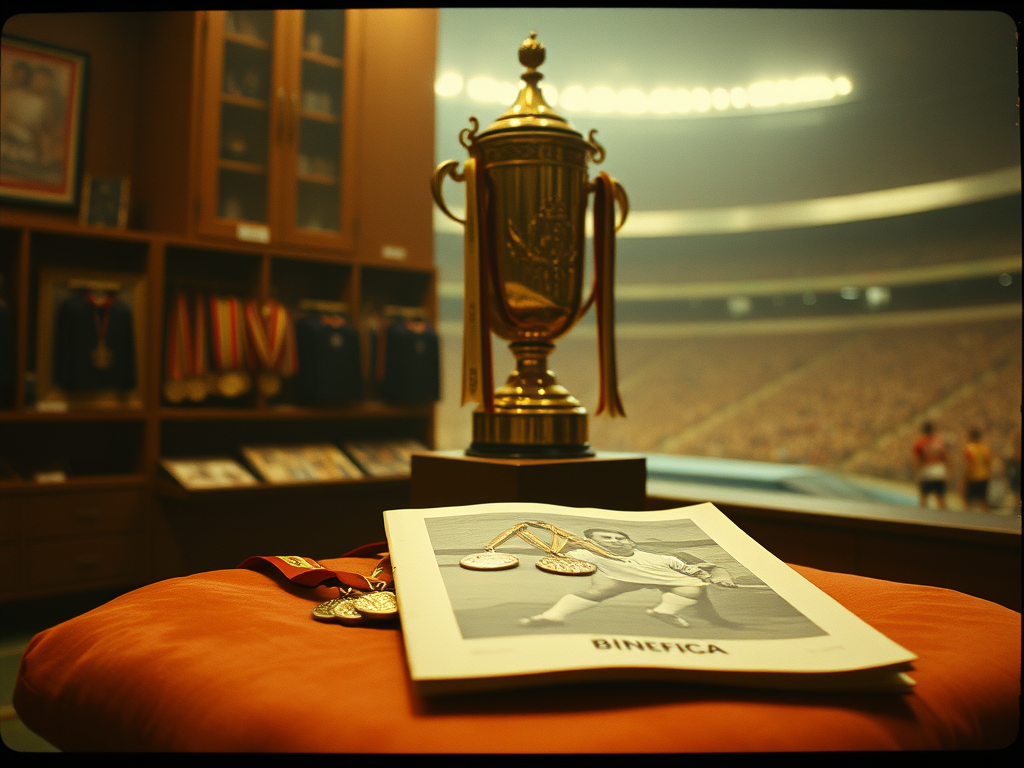
The 1960s and early 1970s are often remembered as the "golden era" of Sport Lisboa e Benfica. Under the guidance of visionary coaches and with a team full of stars, the club not only won trophies but also elevated the quality of Portuguese football to new heights. Eusébio da Silva Ferreira, affectionately known as the "Black Panther," emerged as the central figure of this renaissance, leaving an indelible mark on football history.
One of the most emblematic moments of this era was the conquest of the European Cup in 1961 and 1962. While the 1961 triumph was a revelation, the defense of the title in 1962 solidified Benfica's position as a European powerhouse. Eusébio's ability to score crucial goals, combined with the team's collective gameplay, was fundamental to the victory over Real Madrid. His performance in that final, where he scored two goals, is remembered as one of the greatest feats of his career.
In addition to victories in European competitions, Benfica dominated the national championship, winning the Primeira Divisão title several times between 1967 and 1976. The rivalry with Sporting CP, already intense, reached new heights during these years as the club established itself as the strongest in Lisbon. The constant presence of Eusébio and other talented players, such as José Augusto and Mário Coluna, ensured that Benfica was not just a winning club, but a true institution in the landscape of Portuguese football.
Eusébio was not just a player; he was a symbol. His impact transcended the field, becoming a cultural icon in Portugal and an ambassador for Portuguese football on the international stage. The way he carried himself, his humility, and his love for the game inspired generations of young players and fans, further solidifying his legacy.
The era from 1967 to 1976 was marked not only by triumphs but also by a transformation in playing style that would influence Portuguese football. The introduction of more offensive tactics and an emphasis on player development contributed to a more dynamic and attractive style of play. Benfica became a model to follow, demonstrating that the combination of individual talent and teamwork could lead to great achievements.
In retrospect, the 60s and 70s were crucial in establishing Sport Lisboa e Benfica as one of the most respected clubs in Europe and the world. As we celebrate the achievements of the past, it is vital for new generations of benfiquistas to recognize and honor the legacy of Eusébio and the golden era he helped create. Benfica's history is rich and complex, but it is undeniable that Eusébio and the golden era of 1967 to 1976 continue to be an inspiration for all of us, eagles that fly high.