 Sporting CP Hub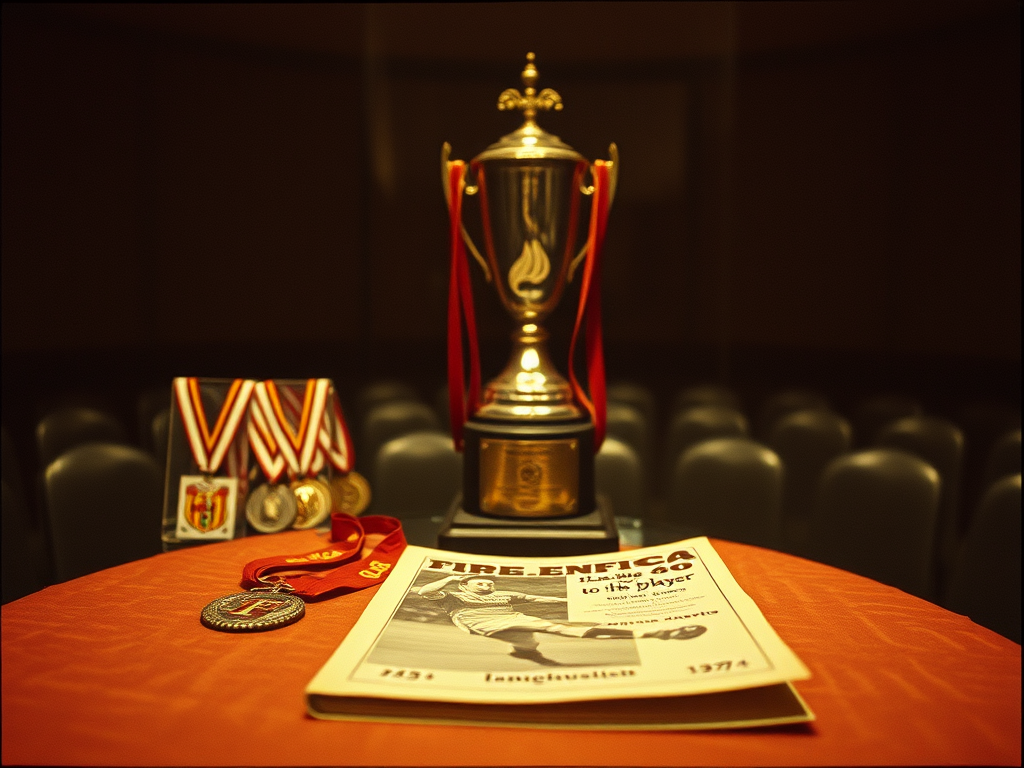
The late 1950s and early 1960s were a golden era for Sport Lisboa e Benfica. Under the guidance of legendary coach Béla Guttmann, the Águias won the European Cup in 1960 and 1961, becoming the first Portuguese team to achieve such a feat. This victory was not just a sporting triumph but a milestone that elevated Portuguese football's prestige on the international stage.
The 1960s were characterized by an offensive and attractive style of play that would become the club's signature. Players like Eusébio da Silva Ferreira, known as the "Black Panther," and José Águas formed a feared attacking line. Eusébio, in particular, not only excelled as the team's top scorer but also emerged as a cultural icon inspiring generations of players and supporters.
Besides victories in national competitions, such as the Primeira Divisão and the Taça de Portugal, this era was marked by an intense rivalry with Sporting CP. The Lisbon derbies were true spectacles, drawing crowds to the Estádio da Luz. The rivalry extended beyond the pitch, reflecting in the streets of Lisbon, where fans passionately debated who the true giant of Portuguese football was.
The impact of these victories and Benfica's revolutionary style of play is still felt today. The club not only solidified its position as a powerhouse in Portuguese football but also set a standard of excellence that other clubs sought to emulate. The legacy of Eusébio and his teammates is still celebrated, with many fans reminiscing about their feats with pride.
In summary, the 1960s were more than just a period of victories; they were a cultural transformation that shaped football in Portugal. Sport Lisboa e Benfica, with its innovative approach and legendary players, not only won trophies but also hearts, solidifying its place as the most beloved and respected club in the country.